 Corinthians Hub
In recent matches, Corinthians has struggled to create clear goal-scoring opportunities. While the defense has remained solid and resilient in many confrontations, the attack has been a weak point, with the team struggling to find a rhythm that leads to positive results. The current 4-2-3-1 tactical setup, which should provide a solid foundation for creativity, often proves sterile in the final third of the pitch.
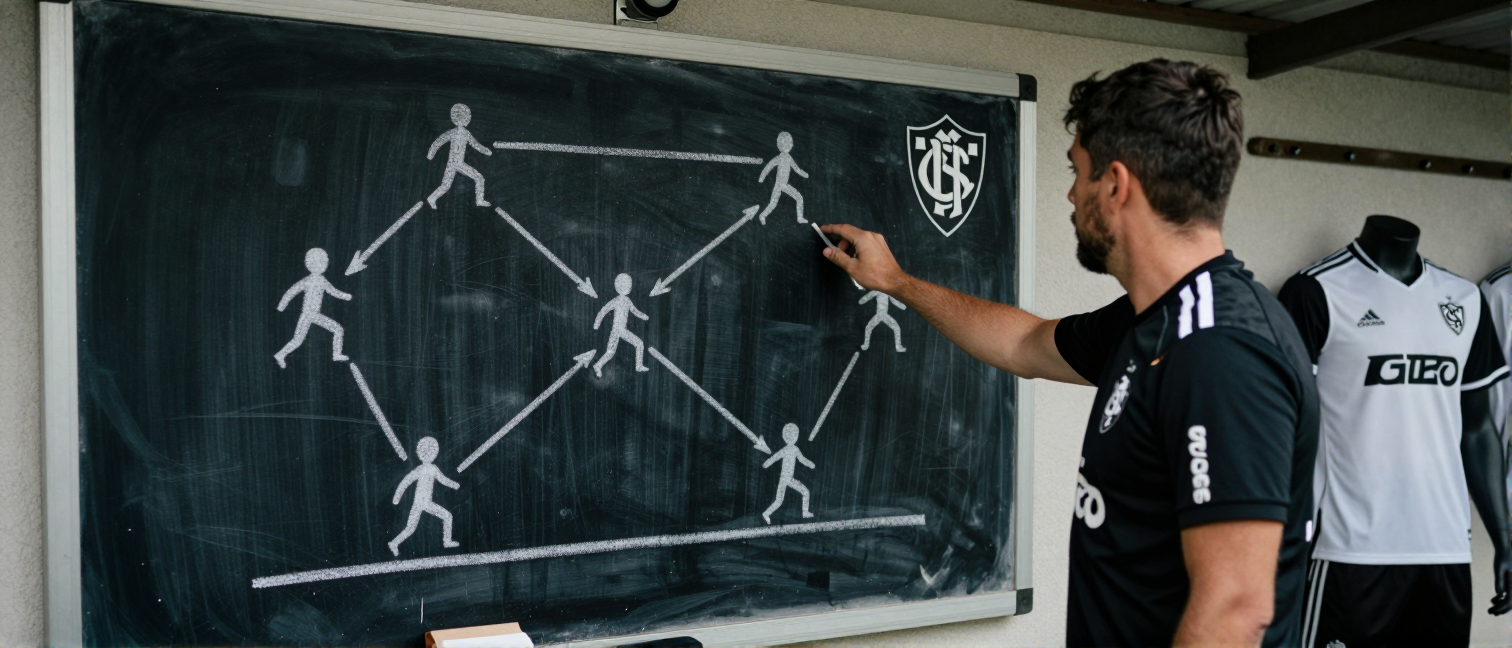
One of the main issues is the lack of movement from the attacking players. The wingers frequently position themselves predictably, making it easy for opposing defenses to neutralize them. To address this, the team could adopt a more dynamic style of play, where the wingers frequently swap positions and move closer to the center of the pitch to create overloads and open spaces.
Additionally, incorporating a creative midfielder who can act as a ‘false 9’ could help confuse rival defenses. This movement would not only draw markers but also free up the full-backs to join the attack, adding more options on the flanks. Players like Alex Santana, with their ability to dribble and make decisive passes, are crucial in this scenario and should be encouraged to infiltrate the opponent's area more often.
Another suggestion would be to increase the intensity of offensive transitions. Instead of allowing the opposing team to regroup, Corinthians could adopt a more vertical style of play, quickly seeking the goal as soon as they regain possession. This approach could catch opponents off guard and lead to clearer goal-scoring opportunities.
Finally, communication among players and confidence in the tactical system are essential. The coach should promote training focused on set plays that include variations in movement and positioning, which would help improve team cohesion. Tactical changes, if implemented correctly, could be the difference-maker Corinthians needs to become a feared offensive force in the League again.